
(949) 273-1900
info@smiledentalboutiquemv.com
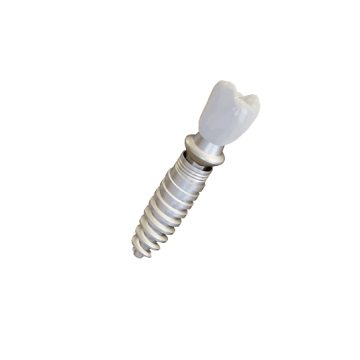
A root canal often is one of the most important dental treatments our patients can receive. Not only does the procedure protect the health of a tooth, but it also can alleviate symptoms such as severe pain, swelling, and inflammation. At Smile Dental Boutique, we provide root canal treatments that focus on the twin pillars of patient well-being and comfort.
Root canal therapy is a routine dental procedure that treats an infected tooth, alleviating pain and preserving the tooth’s health. The procedure works by clearing out the infected part of the tooth and sealing it, similar to how a cavity filling works. Using precise techniques and local numbing, we provide a root canal experience that is comfortable, painless, and effective.
Ready to schedule your appointment?

Every treatment starts with our dentist examining your situation through an oral exam that includes X-rays. This key step promotes an accurate diagnosis that can then lead to matching you with the appropriate plan.

Before we begin a root canal treatment, we numb the treatment area with a local anesthetic. Only once you confirm you are comfortable will we proceed. Additionally, some patients may receive light sedation to facilitate a stress-free experience.

Our dentist then will clear out the infected and damaged tissues within the tooth, known as the pulp. If there is external decay as well, this will be removed. Once all infected and decayed material is removed from both inside and outside the tooth, your dentist will flush the area with anti-bacterial disinfectant.

The final step involves filling the interior of the tooth to support its structure. Then your dentist will either seal the tooth or provide a crown as a cap, depending on how extensive the tooth's damage was.
An infected tooth can cause severe symptoms that are increasingly difficult to deal with. From sharp, extreme pain to swollen, tender gums, an infected tooth is a source of much discomfort. A root canal can instantly relieve some symptoms and allow the others to quickly resolve following treatment.

An infected tooth is at risk of dying, which can lead to eventually losing the tooth. Timely treatment allows your dentist to save the tooth so it can remain a part of your smile.
In some cases of untreated tooth infection, the infection can spread to other parts of the body. When this happens, your overall health can be put at risk. Additionally, the more widespread the infection, the more difficult it is to treat it.
Infected teeth are often the result of progressed decay or notable damage. In both cases, these can impact how the tooth looks. While a root canal is mostly focused on health, it does clear away unsightly decay. In more severe cases of tooth damage, a root canal may involve placing a crown to fully restore the tooth’s appearance.


Ready to schedule your appointment?
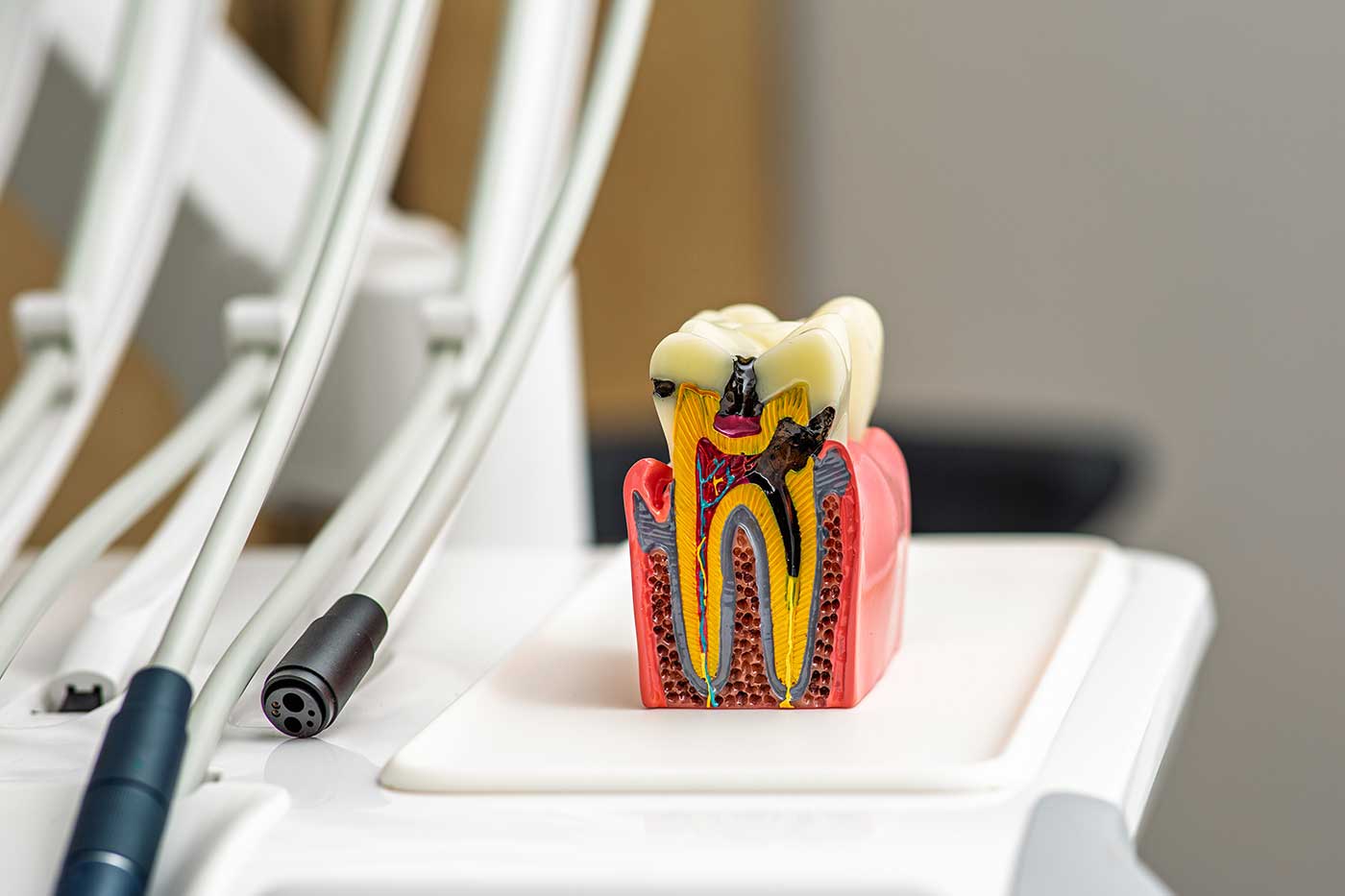
An infected or vulnerable pulp is at the center of a root canal. Infection can occur by advanced tooth decay, which allows bacteria to enter the interior of the tooth. However, it can also happen due to injuries, such as a crack that exposes the inner pulp of the tooth. Once infected, the pulp begins to deteriorate, resulting in pain, inflammation, and tooth sensitivity.
This is often the first question our patients have when we discuss root canal treatment. Fortunately, we can confidently tell patients that the procedure is virtually painless. We use modern numbing and restoration techniques, ensuring a painless treatment that feels about the same as a routine filling.
While rare, failed root canal treatments can happen. This is why it is vital to choose an experienced dentist for your treatment. If even a tiny amount of bacteria remains in the tooth, the infection can return. In these cases, a patient would need retreatment to target the infection and remove all bacteria.
Patients may need a crown over their treated tooth if there is significant decay or damage. Crowns are a reliable way to protect a treated tooth while also restoring how it looks.
As a root canal treatment is key to maintaining patient health, most insurance will cover treatment to some degree. We work with patients to help them understand what portion their dental plan can cover and what treatment options fit under their coverage.
Certainly. It’s common to undergo multiple cosmetic dental procedures at one session. In many cases, patients can have multiple teeth bonding treatments in a single visit. Other options may exist too, depending on your treatment types and your oral health.
Dental insurance typically does not cover purely cosmetic care. However, it may cover some options, such as Invisalign or dental implants. However, it all depends on your coverage and plan type. You can contact your insurance plan or book a comprehensive consultation session with us so that one of our team members will go over the insurance coverage and benefits with you before you commit to any treatment.
Well-cared-for crowns can last between 5-20 years. The durability depends on the material of the crown (with zirconia lasting the longest), the location of the crown, and wear and tear. Crowns placed at the front teeth are normally made of more translucent and thus more fragile materials. However, we normally recommend stronger materials for the back molars and bridges. Healthy habits and routine dental care will help you get the longest benefit out of your crowns. Avoid chewing on hard and sticky foods, don’t smoke or consume a lot of staining foods and drinks, and practice good oral hygiene. If you use your teeth as tools or to chew on objects, you are at higher risk for damage.
Absolutely. Restoring a missing tooth with a dental implant can stop the shifting of your teeth and prevent bone loss in the jawbone that would otherwise occur if you go long periods without a tooth. Having big gaps because of missing teeth can cause collapsed facial muscles and cheeks, contributing to an older appearance. Dental implants provide stimulation to the jawbone, thus regenerating bone cells. Because implants prevent bone loss, this preserves the support to your facial muscles, preventing sagging and collapse of certain features over time. Implants keep you looking youthful in the long run.
Cosmetic dental makeover candidates will typically need to be in overall good health but may have multiple aesthetic concerns about their teeth and smile. If you have severe cosmetic concerns related to decay, tobacco use, or loss of enamel, then you may benefit from a comprehensive dental makeover or full mouth reconstruction. If you have misaligned teeth, malocclusion, or severely worn-down teeth due to grinding, you will need the complete dental makeover to cover all your teeth and reconstruct your bite.
(949) 273-1900
23052 Alicia Pkwy, Suite B2 Mission Viejo, CA 92692
info@smiledentalboutiquemv.com